A bench can look sound after a dry-season inspection and still deteriorate rapidly after Pune’s monsoon, especially when water is trapped at welds, anchors, timber ends or paving joints. By the end, you will be able to classify the failure, inspect the installation safely, correct drainage and maintenance mistakes, and compare replacement materials by repairability and exposure rather than appearance alone.
Key takeaways
- Inspect post movement, cracked members, loose joints and sharp exposed fasteners.
- Keep bench legs out of standing water and direct paving runoff away.
- Repair surface damage only when the frame, joints and anchors remain sound.
- Compare drainage, materials, fasteners, anchoring and maintenance before replacing a bench.
How Pune’s wet–dry cycle starts garden bench damage
A Pune bench can deteriorate after one monsoon–dry-season cycle because water enters porous materials, then sunlight drives rapid drying and shrinkage. Timber, plywood-like boards, unsealed concrete and soil around posts swell when saturated, then check, split or pull joints loose as they dry. High humidity, dust and standing water keep the process active between storms.
The most common wet–dry triggers are:
- Rain and irrigation overspray soak seat undersides, while leaves hold moisture against timber and metal joints. Benches under trees or beside lawns can stay wet even when a roof blocks direct rain.
- Water trapped at drilled holes, weld heat-affected areas, scratches and tube bottoms starts rust beneath paint or powder coating. Blistering follows, and corrosion expands the damaged area.
- Intense sunlight fades coatings and makes dark plastic or low-grade recycled boards brittle. Unprotected painted timber develops surface cracks, then admits more water during the next storm.
- Repeated dragging, standing and jumping beside playgrounds, canteens and assembly routes loosen fasteners before corrosion becomes visible. A seat designed only for static adult weight misses these impact and vibration loads.
These combined stresses explain garden bench problems in Pune: a seat may look sound after a dry-season check but rock, split or deflect after rain. Garden bench damage in Pune also reaches the base; ponding under a poorly sloped plinth cracks concrete, loosens anchors and leaves floor-contact steel continuously damp.
A drained installation and accessible, replaceable fixings slow failure more effectively than colour or powder coating alone.
The inspection checklist: cosmetic defect or unsafe structure?
Use a four-way decision: clean the bench, replace a component, repair the anchorage, or remove it immediately. These institution garden seating problems become unsafe when staff treat rocking, sharp edges or deep rust as cosmetic defects.
1. Remove the bench from service if a seat or backrest deflects under normal use, a weld is cracked, a frame tube has lost thickness, a bolt head is missing, or metal creates a cutting edge.
Also remove it if the bench tips, rocks severely, exposes a broken anchor, or has a cracked slat that could collapse. Mark it clearly until repaired or replaced.
2. Choose cleaning when dirt, algae, mildew or surface staining is the only defect. After washing and drying, check underneath the seat, around welds and inside joints; paint blistering, flaking metal or trapped water means cleaning alone is not enough.
3. Specify component replacement for a cracked timber slat, split recycled-plastic board, damaged fastener or failed armrest when the supporting frame remains straight, sound and firmly anchored. Do not fill a rusted hollow tube or paint over active corrosion.
4. Choose anchor repair when the frame is sound but bolts move, the base rocks, concrete around the fixing is cracked, or paving blocks have loosened. Check the fixing depth and base drainage; a ponding plinth can defeat a new anchor.
Inspect benches beside playgrounds, canteens and assembly routes for impact and jumping damage, and perimeter benches for tampering or theft. Record the defect, location and action before returning any bench to use.
Drainage, paving and maintenance mistakes that shorten bench life
A bench beside an irrigated lawn can stay wet longer than one exposed to rain. Check sprinkler overspray, leaf litter under the seat, and whether paving slopes toward the legs before blaming the material; trapped moisture corrodes joints and keeps timber swollen.
Stop making these location and maintenance mistakes:
- Placing benches on flat paving where water pools around feet and anchors.
- Packing soil, mulch or leaves against metal legs, which hides corrosion and holds moisture at floor-contact points.
- Installing seats under trees without clearing leaves from undersides, welds and bolt heads.
- Using lawn sprinklers that spray the seat, then accepting daily wetting as normal.
- Dragging benches across paving or allowing students to stand and jump on them; static adult load does not represent service use beside playgrounds, canteens or assembly routes.
| Mistake | What it causes | Correct action |
|---|---|---|
| Flat or cracked paving | Standing water, cracked concrete and loose anchors | Provide fall to a drain and repair failed concrete |
| Direct bolts into thin pavers | Easy theft, rocking and broken paving | Use a designed foundation with accessible tamper-resistant fixings |
| Painting over rust | Hidden section loss and trapped water | Remove corrosion, classify the damage, then coat sound metal |
| No UV coating schedule | Faded, brittle plastic or checked timber | Specify UV-stabilised polymer or renew exterior coating |
Garden bench damage in Pune also accelerates when staff wash seats without allowing drainage and drying. Inspect after monsoon and before summer: clear blocked outlets, tighten accessible fixings, and replace damaged sealant rather than sealing over wet cracks. These controls address institution garden seating problems before a cosmetic defect becomes a structural failure.
What to compare when replacing a failed outdoor bench
Compare the site before comparing the material. Irrigation overspray, leaf litter, wet paving, student impact and vandalism can shorten any bench’s life; institution garden seating problems are not solved by choosing a material in isolation.
| Option | Main advantage | Failure points to check | Suitable decision |
|---|---|---|---|
| Powder-coated or galvanized steel | High impact resistance; galvanized steel protects the substrate | Powder coating alone fails at scratches, welds, drilled holes and tube bottoms; inspect for section loss and trapped water | Choose duplex protection for busy routes, playgrounds and canteens |
| Aluminium | Light, rust-free surface and easy relocation | Dents, thin sections, loose fasteners and galvanic corrosion where it touches other metals | Use where staff frequently move benches and impact is controlled |
| Treated timber | Comfortable, repairable and visually compatible with gardens | End-grain swelling, checking, rot, loose joints and neglected coating renewal | Choose it only with sealed ends and a documented exterior-coating schedule |
| Recycled plastic | No rot and low routine painting demand | UV embrittlement, fading, heat movement and cracking around fasteners | Specify UV-stabilised boards and inspect underside support spacing |
| Mixed-material | Combines steel strength with timber or plastic comfort | Water trapped between materials, different expansion rates and hidden corrosion | Use only when joints drain and each component is replaceable |
Check the seat’s static load rating alongside resistance to dragging, standing and jumping. A strong frame with weak slats still fails.
For garden bench problems in Pune, ask for UV performance, fastener grade, drainage details, replacement-part availability and a maintenance schedule. The cheapest material is the wrong comparison if access requires frequent repainting or early board replacement.
Repair or replacement: specifying a bench for institutional service
Repair is sensible when the frame retains its section, welds are sound, and the defect is limited to a replaceable slat, fastener, coating or anchor.
Outdoor bench repair in Pune is not sensible when tubing has section loss, anchors have pulled from cracked concrete, or trapped water has perforated a hollow member; repainting then only hides the failure.
Approve a replacement only after the specification answers these questions:
- What service loads apply? Include standing, jumping, dragging and impact beside playgrounds, canteens and assembly routes—not just static adult seating.
- Which components are replaceable? Require separately replaceable slats, armrests, legs, bolts and anchor hardware, with dimensions, material grades and spare-part availability.
- How will it resist Pune’s sun and moisture? Specify UV-stabilised polymer or an exterior coating renewal schedule, plus sealed joints and drainage that prevent water between dissimilar materials.
- How will it be fixed? Choose tamper-resistant fasteners and state whether the priority is anti-theft security, landscape flexibility or easy maintenance. Require a drained, level base, verified anchor embedment and access for tightening or replacement; weak paving blocks and ponding plinths are disqualifiers.
- What service record will you receive? Ask for installation drawings, anchor details, cleaning instructions, inspection intervals and response terms for loose fixings or cracked members.
Kohinoor School Furniture can be asked to document these replacement and installation details rather than supplying a bench selected only by colour or catalogue appearance. That discipline addresses garden bench problems in Pune at their cause: service loads, ultraviolet exposure, irrigation overspray and inaccessible repairs.
Related product
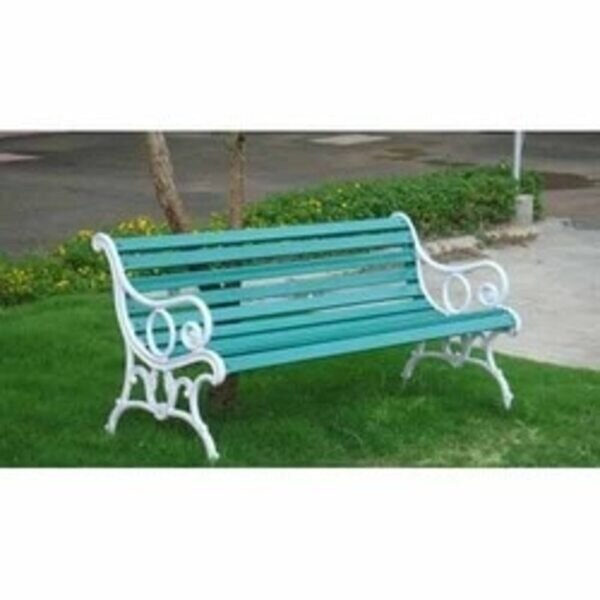
 | Garden Bench View product → |
Frequently asked questions
How does Pune’s wet–dry cycle damage garden benches?
Monsoon water saturates porous timber, boards, concrete and soil around posts. Sunlight then dries them quickly, causing swelling, shrinkage, checks, splits and loose joints.
How can you tell whether a bench defect is cosmetic or unsafe?
Check for post movement, cracked load-bearing members, loose joints, failed anchors, sharp edges and exposed fasteners. These defects require structural attention rather than cosmetic refinishing.
Which drainage and maintenance mistakes shorten outdoor bench life?
Standing water around legs, paving that directs runoff toward posts, blocked drains, soil contact and delayed cleaning increase moisture exposure and accelerate deterioration.
When should an institution repair or replace a garden bench?
Repair a bench when its frame, joints and anchors remain sound. Replace it when load-bearing members, posts or anchoring points are extensively cracked, unstable or corroded.