Loose fasteners, damp floors, rusting leg joints and swollen wooden edges become safety problems when inspections wait until the end of the school year. A clear routine for checking, cleaning, repairing and documenting each desk, bench and chair will help you control monsoon damage and decide which work staff can handle safely.
Key takeaways
- Inspect high-use classrooms daily and complete a detailed check each month.
- Use a damp, not wet, cloth; dry desks and chairs immediately.
- Treat termites and moisture quickly before wood, joints or floors deteriorate.
- Call the right specialist: carpenter for wood, welder for metal, supplier for recurring defects.
Build a daily and monthly furniture inspection routine
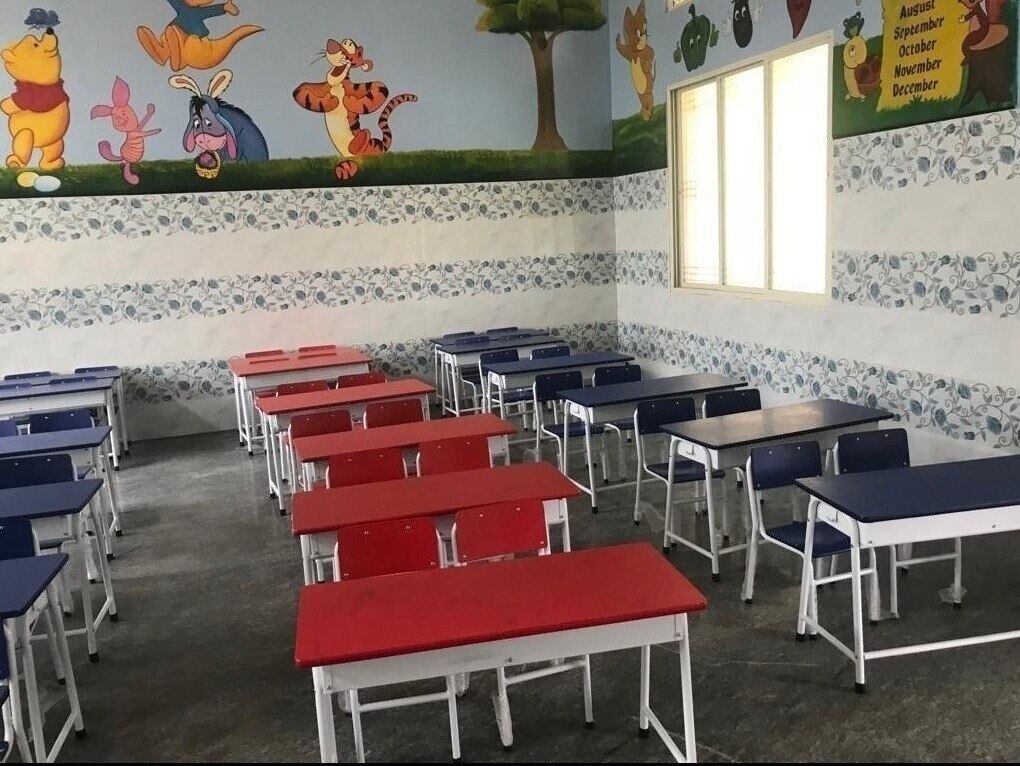
A practical classroom furniture maintenance schedule helps schools in Pune find small defects before they become injuries or expensive repairs. Staff should inspect high-use classrooms, laboratories and furniture moved between rooms more often than administrative areas.
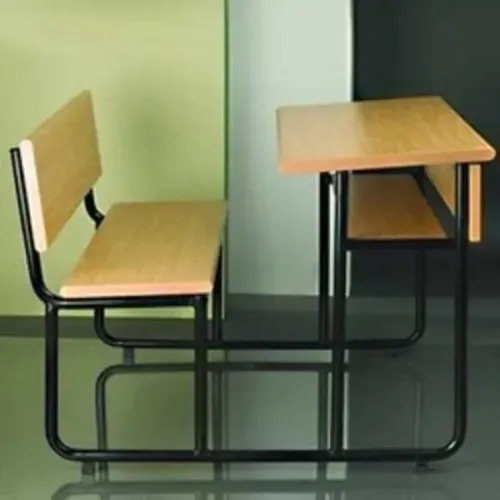
- Daily: remove dust and spills, then look for exposed screw heads, splinters, sharp edges, cracked joints, wobbling legs and damaged seat or writing surfaces. Take any unit with an unstable frame, failed weld, protruding fastener, split load-bearing member or severe corrosion out of service immediately.
- Weekly: test each desk and chair by hand for movement, check screw tightness and inspect plastic caps, glides and edge bands. Photograph and tag defects rather than returning the unit to use.
- Monthly: tighten fasteners, check desk-chair height matching, inspect leg-to-frame joints for rust, and examine wooden edges for swelling, open joints, peeling laminate, fungal growth or termite dust and mud tubes.
- Before and after the monsoon: inspect damp storage rooms, furniture against walls, wet-mopped floors, swollen board edges, loose laminate and corrosion. Improve ventilation and move units away from damp surfaces.
- Each term: inspect every room against an asset list, classify defects as cosmetic, repairable or unsafe, and record the room, asset or batch, defect, action, replacement part, date and verifier.
Schedule carpenter, welder or supplier work for structural failures; do not wait for the next monthly round. Keep repaired furniture, chemicals and spare parts separated from occupied classrooms.
Clean desks and chairs without causing water or chemical damage
Use a dry microfiber cloth to remove dust before applying any liquid. For daily cleaning, dampen the cloth rather than spraying the desk or chair; use a neutral detergent diluted exactly as its label states, then wipe with clean water and dry within minutes. Never mix bleach with acids or ammonia.
- Wood: Wipe spills immediately, avoid soaking joints and edges, and keep desks off wet floors. Excess water causes swelling, open joints, veneer lifting and fungal growth.
- Laminate: Use a damp cloth and mild detergent, then dry the edges. Do not use abrasive powder, steel wool, thinner or concentrated disinfectant; these scratch or dull the surface and loosen edge banding.
- Plastic: Wash with diluted detergent and a soft cloth. Avoid solvents and rough scrubbers, which can stain, craze or weaken plastic.
- MS steel: Dry every leg, weld and hollow-section opening after wiping. Remove rust contamination early, but do not paint over active rust or wet metal.
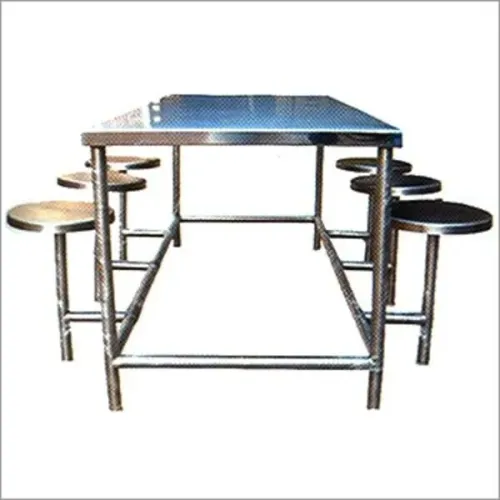
- Stainless steel: Wipe along the grain with mild detergent, rinse and dry. Chloride-heavy cleaners and abrasive pads can leave stains and scratches.
For classroom furniture care in pune, wipe high-touch surfaces daily and complete a damp clean at least weekly, increasing frequency during dusty construction or illness. Open windows or use fans after wet-mopping; do not place cleaned units against damp walls. Store chemicals, spare parts and repaired furniture outside classrooms, clearly separated from student-use items.
Control moisture, termites and everyday misuse
Pune’s monsoon makes wooden classroom furniture upkeep a moisture-control task before it becomes a polishing task. Keep desks and benches off wet floors, wipe spills immediately, and dry floors fully after mopping.
Leave an air gap between furniture and external walls, keep windows or vents open when rooms are occupied, and never pack damp units tightly in a store.
Repeated wetting and drying loosens joints and swells board edges. Stop damage at these points:
- Place rubber feet or non-absorbent caps under legs where floors stay damp, and replace split caps promptly.
- Do not drag units across the floor; lift them with two people and avoid stacking weight on desks.
- Keep students from standing on chairs, rocking benches, or using desk frames as steps.
- Remove wet bags, umbrellas and cleaning cloths from furniture rather than leaving them on wooden surfaces.
- During and after monsoon, check storage rooms for a damp smell, condensation or water marks before returning furniture.
Treat mud tubes or fresh frass as evidence of a building problem, not just one damaged desk. Isolate affected furniture and ask a licensed pest-control provider to inspect nearby timber and the room’s skirting; replacing a single unit without removing the source invites recurrence.
For steel frames, remove loose rust, dry the metal completely, and touch up chipped powder coating with a compatible coating system. Never paint over active rust or wet metal, especially at welded corners and hollow-section openings.
Know when a defect needs a carpenter, welder or supplier
A staff member can tighten a matching screw, replace a missing protective cap, or fit a manufacturer-specified fastener. They can also remove loose rust, dry the steel completely and apply a compatible powder-coating touch-up. Do not drill new holes, use mismatched bolts or paint over active rust.
| Defect or repair | Who should handle it | Why |
|---|---|---|
| Loose wooden joint, swollen edge or delaminated laminate | Carpenter | The substrate or joint needs assessment, not surface polish |
| Bent steel leg, cracked frame or failed weld | Welder | Heat and alignment work affect structural strength |
| Broken moulded plastic, proprietary part or repeated failure | Supplier or manufacturer | The original component, size code or warranty may be required |
| Loose screw, missing cap or minor coating chip | Trained staff | A simple repair is safe when the replacement matches |
Remove a unit from service immediately when it has:
- A sharp exposed edge, splinter or protruding fastener
- A cracked seat, writing tablet or split load-bearing member
- An unstable frame, wobbling leg or failed weld
- Severe corrosion, especially at welded corners or hollow-section openings
Label the unit “Do not use” and move it away from pupils until repaired. Cosmetic scratches can wait for a planned visit; structural damage cannot. Return the furniture only after checking stability, smooth surfaces and secure fasteners, while preserving the original desk-chair size relationship.
Use records and service checks to manage repairs across the school
Require a school furniture maintenance service in Pune to leave evidence for every room, not just an invoice. Before work begins, the provider should use room-wise asset tags, photograph each defect and classify it as cosmetic, functional or safety-critical. This prevents a polished surface from hiding a failed weld, swollen board or unstable frame.
- Record the asset tag, room, furniture type, size code or dimensions, inspection date and defect photographs.
- Describe the fault precisely: stripped screw, cracked writing tablet, failed weld, exposed edge, termite activity, rust at a leg joint or swollen laminate.
- Record the repair and every part replaced, including fasteners, caps, panels, brackets and approved mechanical joints.
- Require the technician to report moisture, corrosion and termite observations, not merely tighten visible screws or apply polish.
- Do not accept repeated over-tightening in MDF or particleboard. Record whether the fix used a larger approved fastener, threaded insert, replacement panel or manufacturer-approved joint.
- Match replacement units to the classroom’s existing desk-chair size relationship, and record the selected size code to prevent ergonomic mismatches.
- Obtain completion sign-off, photographs of the finished repair, the technician’s name, the next inspection date and a written warranty or callback period.
Remove furniture immediately for a sharp edge, cracked seat, unstable frame, failed weld, protruding fastener or split load-bearing member. Kohinoor School Furniture can be asked for manufacturer-approved replacement dimensions when a matching unit or component is needed.
Keep the service report with the room inventory and reopen the job if the defect returns within the callback period.
Related products
 | Being one of the leading manufacturers and suppliers of this commendable range of School Wooden Desk, we work hard to maintain its quality. View product → |
 | Pioneers in the industry, we offer Nursery Class School Furniture Set, Pre-Primary School Furniture Set, Nursery Classroom Furniture, School Class... View product → |
Frequently asked questions
How often should school furniture be inspected in Pune?
Inspect high-use classrooms, laboratories and furniture moved between rooms daily. Complete a detailed inspection of all furniture each month, including administrative areas.
How can you clean classroom desks and chairs without damaging them?
Remove dust first, use a lightly damp cloth with mild detergent, avoid soaking wood or forcing water into joints, and dry every surface immediately.
How can schools control moisture, termites and everyday misuse?
Fix leaks, improve ventilation, keep furniture off damp floors, inspect wooden legs and storage areas for termite signs, and teach students not to tilt chairs or drag desks.
When should a school call a carpenter, welder or furniture supplier?
Call a carpenter for loose wooden joints or damaged boards, a welder for cracked metal frames, and the supplier when defects recur, affect multiple units or involve a warranty or replacement claim.
What records help manage classroom furniture repairs?
Record the room, asset or furniture number, defect, inspection date, photographs, assigned worker, parts used, completion date and follow-up result. Review open repairs during scheduled service checks.
Related products
 | Pioneers in the industry, we offer Nursery Class School Furniture Set, Pre-Primary School Furniture Set, Nursery Classroom Furniture, School Class... View product → |
 | School Furniture Use Classroom Color Brown Size Customized Design Type Customized Material Wooden and SS We are offering Nursery Classroom Furniture to our clients. View product → |
 | Size Customized Color Blue, Black Design Type Customized Material Plastic and MS We are offering School Class Furniture to our clients. View product → |
 | Product Details: Size Customized Color Cream Design Type Customized Material Wooden Weight 5-6 kg We are offering Pre-Primary School Furniture Set to... View product → |