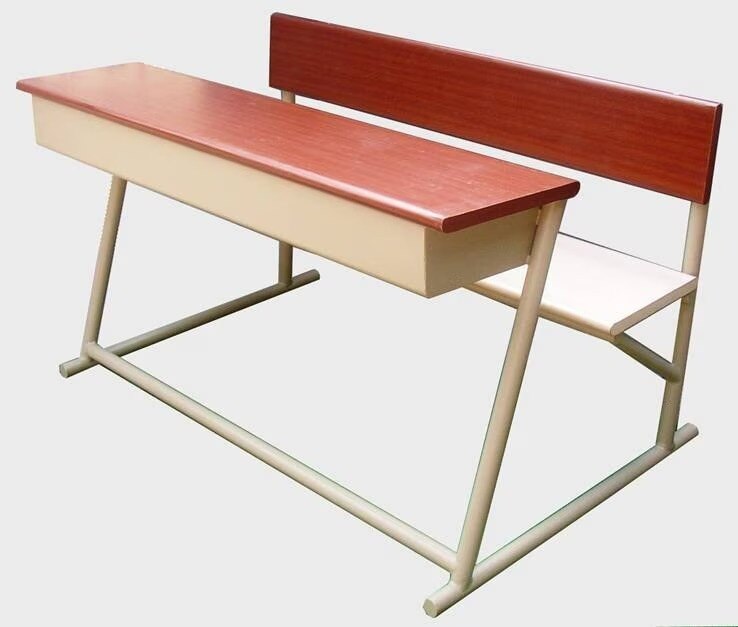
A table-and-chair set designed for a nursery classroom cannot serve every corporate daycare function, especially where infants, toddlers and preschoolers share a facility. You will be able to assess age fit, safety evidence, cleaning performance, room layout and supplier documentation before deciding whether to adapt scholar nursery furniture or specify separate equipment.
Key takeaways
- Map arrivals, naps, meals and cleaning before selecting furniture.
- Match seat height, table height and clearances to each child’s size.
- Ask suppliers for test reports, material details and hardware specifications.
- Trial furniture in the real room before approving the final specification.
Start with the daycare’s routines, not the furniture catalogue
A corporate daycare does not run like a school classroom. Children arrive and leave at different times, adults supervise several activities at once, parents enter shared areas, and the same room may serve children who crawl, nap, eat, play and learn.
Treat classroom furniture for corporate daycares as part of an operating system, not a desk-and-chair package. The room needs furniture that supports:
- Infant sleep, feeding and supervised floor play
- Diaper changing and hand-cleaning routines
- Toddler crawling, messy play and easy adult intervention
- Quiet activities and preschool classroom work
- Accessible storage for staff, children and cleaning supplies
- Clear routes for supervision, movement and evacuation
Scholar nursery furniture can work when its sizes and construction match those routines. A single “nursery size” table cannot serve infants, toddlers and preschoolers safely; request the seat height, seat depth, table height, legroom and child-size range before comparing prices.
Choose units that adults can move, clean around and inspect quickly. Fixed school furniture can obstruct a changing routine, hide a spill or create a blind spot during a longer operating day. Compare life-cycle cost: include cleaning time, replacement parts, repairability, installation and after-sales response, not just the price per chair.
Approve the choice through a room trial. Watch adult-child circulation, storage reach, supervision sightlines, noise, cleaning access and evacuation routes before placing the full order.
Match every seat and table to the child using it
Match seat and table dimensions to the child, and do not treat infants as small preschoolers. Ask for the applicable child-size range, seat height, seat depth, table height and sizing chart before approving scholar nursery furniture.
| Age group | Seat and table fit | Reach and practical test |
|---|---|---|
| Infants | Use supervised floor-play space, feeding support and age-appropriate high chairs rather than a classroom chair. Infants who cannot sit independently need changing, nap and feeding equipment instead of tables. | Keep toys within an adult-supervised reach; do not place small objects or climbable storage beside the infant area. |
| Toddlers | Choose a low seat that lets both feet rest on the floor, with a seat depth that supports the back. The table must allow relaxed elbows without raised shoulders. | Place cups, paper and washable materials within a short seated reach, then check that the child cannot lean far enough to tip the chair. |
| Preschoolers | Use a higher seat and table only when the child’s knees fit beneath the tabletop and feet remain supported. Measure each child, not just the room. | Test whether the child can reach the work area without standing, stretching across another child or climbing onto the furniture. |
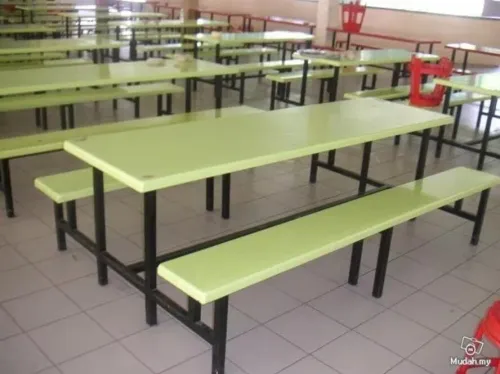
A two-foot bench is unsuitable when children cannot mount, dismount and sit with stable feet, or when its shared depth prevents individual posture. Use separate seats for mixed-age groups; one fixed height forces toddlers to dangle their feet while older children hunch.
Demand safety evidence instead of relying on rounded corners
Rounded corners alone do not prove that nursery furniture is safe. For classroom furniture for corporate daycares, demand evidence covering hazards children create by pushing, pulling, climbing and trapping fingers, especially when scholar nursery furniture has been adapted from school furniture.
Check each unit for:
- Shear and pinch points at folding, sliding or adjustable parts
- Gaps wide enough for fingers, heads or limbs to become trapped
- Protruding screws, bolts, hooks and sharp or detachable fasteners
- Small components that could detach and become choking hazards
- Stability under an off-centre load, including a child pulling or standing on it
- Low shelves, tables or storage that could function as climbing aids
For children under three, ask for a stability test, maximum load, anchoring instructions and a named party responsible for installation. The quotation must state whether wall assessment, suitable anchors and making-good work are included; tall storage, shelving and partitions need documented anchoring or a genuinely low-risk height.
Request product-specific test reports, assembly instructions, maintenance limits and a written declaration of compliance. Do not accept “child safe” as the only document. Cribs, cots and sleep products need separate evidence covering structural integrity, spacing, hardware and mattress fit; in the United States, check the applicable product requirements.
If furniture includes climbing, sliding or elevated play features, request play-equipment compliance and inspection records rather than classroom-furniture paperwork.
Choose surfaces that survive daycare cleaning
Choose non-absorbent surfaces with sealed edges, because repeated wiping exposes weak materials faster than ordinary classroom use. High-pressure laminate on moisture-resistant board works for tables when the laminate wraps or seals every edge; exposed MDF swells after spills reach its core.
Polypropylene or high-density polyethylene suits chairs and washable activity furniture, while powder-coated steel withstands daily handling if chips are repaired before rust spreads.
| Material or finish | Cleaning and wear performance | Check before approval |
|---|---|---|
| High-pressure laminate | Resists spills, abrasion and many disinfectants | Confirm compatibility with your exact disinfectant and sealed edging |
| Polypropylene or HDPE | Non-porous, washable and suitable for frequent wiping | Inspect for stable colour, smooth moulding and no dirt-trapping texture |
| Powder-coated steel | Durable for frames and mobile furniture | Check coating adhesion, corrosion protection and repaired-chip procedure |
| Fabric upholstery | Holds soil and moisture in fibres and seams | Avoid it in wet or high-frequency cleaning zones; use removable, cleanable covers instead |
Ask a classroom furniture supplier in Maharashtra for the cleaning-agent compatibility sheet, board thickness, edge-treatment detail and finish test reports. Specify the actual products used onsite, such as sodium hypochlorite solution, quaternary ammonium disinfectant or neutral detergent; “easy to clean” proves nothing without a procedure and contact time.
Require accessible joints, concealed fasteners and replaceable laminate, edging or upholstery. A sample demonstrates appearance, not institutional suitability, so also request warranty exclusions and the method for repairing water-damaged edges.
Use a room trial to approve the final specification
Approve the final specification only after a one-room pilot exposes problems that a catalogue and showroom sample cannot show. Install representative custom classroom furniture in the actual daycare room, then test it through arrival, free play, meals, nap preparation, cleaning and pickup.
1. Record pass-or-fail criteria before installation: clear adult-child circulation, unobstructed evacuation routes, visible supervision zones, reachable storage, cleaning access behind and beneath units, acceptable noise, and no climbable route to a fall or tip-over.
2. Observe children and staff using the room. Check whether children can move without collisions, open doors safely, reach permitted materials, or trap fingers in gaps. Test mixed-age zones separately; one table-and-chair height will not suit every child.
3. Ask the nursery classroom furniture supplier in Pune for shop drawings, module dimensions, board thickness, edge treatment, adhesive and finish details, load limits, cleaning data, test reports, installation instructions, warranty exclusions and local after-sales response times. A sample proves appearance, not institutional suitability.
4. Mark every failed feature, revise the drawing, and repeat the trial before ordering. Preserve standard module sizes, replaceable panels and accessible hardware; identify each intentionally non-standard dimension so future replacement does not require another redesign.
Kohinoor School Furniture should be assessed against this same written trial, including response time for repairs and missing parts, rather than approved because it can produce a customised quotation. Do not treat a classroom quotation as evidence for cribs, cots or changing equipment; request product-specific compliance documents for those items.
Related products
 | Size Customized Color Green and Brown Design Type Customized We are offering Scholar Nursery Furniture to our clients. View product → |
 | School Furniture Use Classroom Color Brown Size Customized Design Type Customized Material Wooden and SS We are offering Nursery Classroom Furniture to our clients. View product → |
Frequently asked questions
How should you start choosing classroom furniture for a corporate daycare?
Start by mapping the daycare’s routines, including staggered arrivals, supervision, crawling, naps, meals, play, learning and parent access. Then select furniture that supports those movements and allows clear sightlines.
How do you match nursery classroom furniture to children?
Check each chair’s seat height, seat depth and stability against the children who will use it. Match table height and legroom to the same age and body-size range rather than buying one standard set for everyone.
What safety evidence should you request from a classroom furniture supplier in Maharashtra?
Ask for product test reports, material specifications, load information, edge and tip-resistance details, hardware specifications and maintenance instructions. Rounded corners alone do not prove that furniture is safe.
How can you test custom classroom furniture before placing a large order?
Run a room trial with representative furniture during real activities. Check supervision sightlines, movement paths, cleaning access, stability, noise and how children use the pieces before approving the final specification.
Related products
 | School Furniture Nursery Class School Furniture Set Size Customized Color Yellow Design Type Customized Material Wooden Chair 2 Table 1 We are offering Nursery Class School Furniture Set to our clients. View product → |
 | Pioneers in the industry, we offer Nursery Class School Furniture Set, Pre-Primary School Furniture Set, Nursery Classroom Furniture, School Class... View product → |