Rainwater is only part of the problem: damp floors, wet footwear, trapped humidity and poor airflow can damage nursery furniture after the classroom appears dry. By following a room-control, cleaning, inspection and replacement routine, you can reduce mould, swelling, rust and avoidable repair work throughout Pune’s rainy season.
Key takeaways
- Keep classroom RH near 30–50% where conditions allow.
- Dry wet furniture in two stages after every heavy rain.
- Inspect weekly for swelling, mould, rust and loose joints.
- Isolate damaged furniture before deciding whether to repair or replace it.
Control humidity, puddles and airflow before furniture is damaged
Rainfall alone does not show how wet a classroom is. Indoor relative humidity (RH) controls whether wood-based panels absorb moisture and mould can grow, so place a calibrated thermo-hygrometer in every classroom and storage room. Check it at opening, after heavy rain and before closing; aim for roughly 30–50% RH where conditions allow.
- Move tables, chairs and benches away from leaking roofs, damp walls and windows exposed to driving rain. Leave approximately 50–100 mm between furniture and walls so air can circulate and staff can inspect hidden surfaces.
- Put a sturdy, washable mat at the entrance and keep wet footwear and muddy bags out of activity areas. Remove mud promptly; it holds moisture against legs and floor-contact points.
- Keep furniture off damp floors with sound leg caps and correct the drainage problem causing puddles. Do not move a table over standing water and call the arrangement safe.
- During rain, close the window facing the wind-driven water, then ventilate through a protected opening or opposite-side window when rain is not entering. Poor ventilation leaves damp air trapped; tightly packed furniture creates dark, still mould zones behind backs, under seats and between stacked items.
For effective school furniture monsoon protection, record RH and leaks alongside daily cleaning. This practical layout is central to nursery school furniture for monsoon care pune: control the moisture source before surfaces swell, stain or smell musty.
Use a two-stage cleaning and drying routine after every wet spell
After every wet spell, use a two-stage routine: remove soil, then dry completely. This nursery classroom furniture care procedure prevents mud from becoming abrasive slurry and limits moisture entering joints.
1. Wipe mud and soil from nursery tables, chairs and benches with a damp, not wet, cloth. Do not hose or flood the furniture.
2. For painted wood and solid wood, use a lightly damp cloth with a mild detergent solution and keep liquid away from joints, end grain and fastener holes. Wipe laminated boards with the same type of mild solution, using very little liquid at seams and cut edges.
Clean plastic with a surface-suitable mild detergent; clean stainless steel with a non-acidic detergent and a soft cloth.
3. Dry tabletops, seat surfaces, edges, joints, undersides, leg caps and floor-contact points with a clean towel. Dry every material that remains wet within approximately 24–48 hours to limit mould growth.
4. Use a disinfectant only when its label confirms compatibility with the surface. Follow its contact time, ventilation instructions and rinsing requirement. Avoid abrasive scouring, repeated soaking of laminate seams, acidic cleaners on metal and routine bleach use as a substitute for fixing leaks or high humidity.
5. During school closures, place furniture above damp floors, leave ventilation gaps and use a breathable cover. Airtight plastic traps condensation against wood, laminate, metal and upholstery.
Inspect for swelling, mould, rust and loose joints on a fixed schedule
After each prolonged wet spell, inspect every nursery chair, table and bench—not only the tabletop. This fixed route supports nursery classroom furniture care and catches weakened joints before a child is injured.
1. Start at the top and work down. Look for swollen panel edges, peeling laminate or paint, bubbling surfaces, lifted edge banding and softened corners. Check for musty odour, visible mould and slippery residue, then inspect undersides, drilled holes, screw penetrations, end grain and damaged laminate edges, which absorb moisture quickly.
2. Test each connection by hand without forcing it. Identify rusted fasteners, loose dowels, opened glued joints and cracked rails; place a wobbling chair or table out of children’s use immediately. Do this before cosmetic repair because repainting does not restore joint strength.
3. Finish at the base. Check rocking legs, split or softened leg caps, trapped water and floor-contact points. Dry wet areas promptly and record the item number, room, defect, likely moisture source, action, date and responsible staff member. This record turns school furniture monsoon protection into a repeatable control rather than a visual guess.
4. Open delivery cartons promptly, even when the outer packaging looks dry. Before installation, inspect panel edges, undersides and sealed packs for wet MDF or particleboard; photograph swelling, stains, mould or softened corners and record the carton or item reference.
End grain, cut-outs, drilled holes and screw penetrations need sealed protection, because paint or laminate delays moisture entry but does not make wood-based panels waterproof.
Compare wood, plastic, metal and mixed materials before buying for Pune
| Material | Advantages | Monsoon trade-offs |
|---|---|---|
| Wood | Warm, quieter in use and repairable | Swells at cut edges, joints and fastener holes |
| Plastic | Easy to wash and absorbs little water | Can feel hot or uncomfortable, crack with impact and offer limited repair options |
| Metal | Strong and easy to clean | Creates noise, feels cold and can rust at scratches, fasteners and unprotected joints |
| Mixed materials | Balances comfort, strength and cleanability | Adds seams, fixings and components that require inspection |
For wooden nursery furniture Pune buyers, specify sealed end grain and sealed cut-outs, not only a coated top. Paint and laminate delay moisture uptake; they do not make MDF, particleboard, plywood or solid wood waterproof. This is the practical test for nursery school furniture for monsoon care Pune.
Ask suppliers these questions before comparing colours or finishes:
- Can edge banding, feet and castors be replaced individually?
- How are those parts cleaned without forcing water into seams?
- Can upholstery and foam be removed, dried, inspected and replaced?
A mixed design is worthwhile when children need a warmer seat or quieter tabletop with a durable frame, but every joint becomes another place for moisture and dirt to hide.
Kohinoor School Furniture can be considered alongside other suppliers when you need customized institutional furniture; judge the specification by sealed construction and replacement procedures, not finish colour alone.
Related products
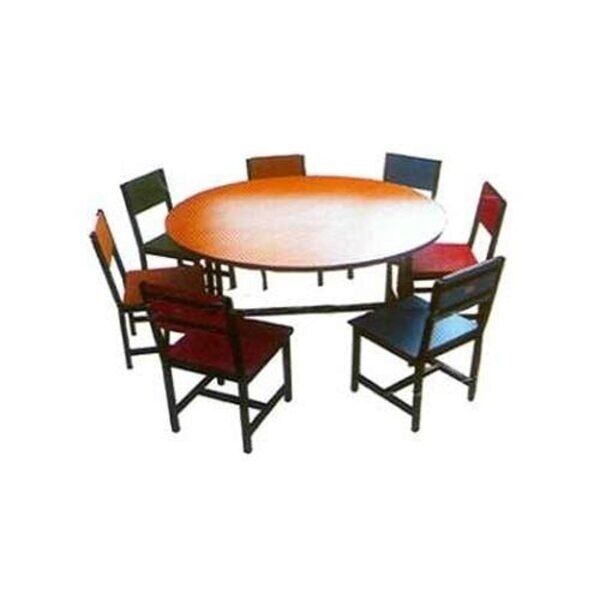
 | School Furniture Use Classroom Color Brown Size Customized Design Type Customized Material Wooden and SS We are offering Nursery Classroom Furniture to our clients. View product → |
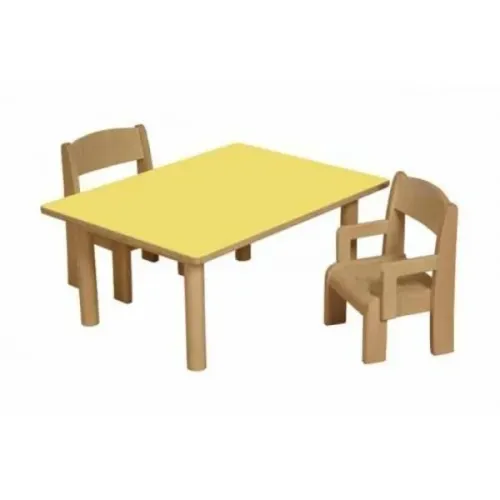
 | School Furniture Nursery Class School Furniture Set Size Customized Color Yellow Design Type Customized Material Wooden Chair 2 Table 1 We are offering Nursery Class School Furniture Set to our clients. View product → |
Know when to repair, isolate or replace wet nursery furniture
Surface moisture is manageable when the panel stays firm, edges remain flat, joints stay tight and the item does not rock. Wipe it, dry it fully and check it again before returning it to children’s use. This is the basic test for nursery furniture rainy season Pune classrooms.
Isolate the item immediately if you find:
- A loose joint or cracked connection
- Sharp, lifted edging
- Rust affecting a fastener
- A recurring musty odour
- Mould that returns after drying
Place isolated furniture away from children and mark it for assessment. A rocking chair is a safety defect, not a cosmetic problem.
Repair the item when the affected area is accessible and the structure remains sound. Suitable candidates include solid wood, plywood and metal parts with a restorable joint or coating. Obtain a competent repair assessment for any structural crack; repainting cannot restore lost strength.
Replace or quarantine furniture when it contains:
- Swollen MDF or particleboard
- Delaminated boards or softened edges
- Water-filled concealed voids
- Mouldy upholstery
- Absorbent foam that cannot be dried and inspected completely
Hard, non-porous surfaces with small mould patches can be cleaned with detergent and water, then dried completely. Porous boards, upholstery and foam are different: repeated chemical treatment can hide contamination without making them safe.
Record the item number, location, moisture source, defect, action, date and person responsible. This simple school furniture monsoon protection record helps correct leaks and repeated failures instead of hiding them with repainting.
Frequently asked questions
How can you control humidity around nursery furniture during Pune’s monsoon?
Place a calibrated thermo-hygrometer in each classroom and storage room. Check RH at opening, after heavy rain and before closing, aiming for roughly 30–50% where conditions allow. Improve airflow and remove puddles quickly.
What cleaning and drying routine should you use after a wet spell?
Remove standing water first, then clean surfaces with a suitable mild solution. Dry furniture fully with airflow before returning it to classroom use, paying attention to joints, undersides and enclosed storage areas.
What damage should you check for on nursery furniture?
Look for swollen wood-based panels, mould, rust, soft edges, peeling finishes, loose fasteners and unstable joints. Record findings on a fixed inspection schedule and isolate unsafe items.
Which furniture materials suit Pune’s rainy season?
Compare wood, plastic, metal and mixed-material furniture by moisture resistance, drying time, corrosion risk, repairability, comfort and cleaning needs. The best choice depends on classroom use and storage conditions.
When should you repair, isolate or replace wet nursery furniture?
Repair minor finish damage or a loose joint when the frame remains sound. Isolate furniture with mould, sharp edges, instability or exposed rust until assessed. Replace it when swelling, corrosion or structural damage compromises safety.
Related products
 | Pioneers in the industry, we offer Nursery Class School Furniture Set, Pre-Primary School Furniture Set, Nursery Classroom Furniture, School Class... View product → |
 | Size Customized Color Green and Brown Design Type Customized We are offering Scholar Nursery Furniture to our clients. View product → |
 | Size Customized Color Yellow Design Type Customized Height 2 Feet We are offering School Nursery Bench to our clients. View product → |
 | Product Details: Size Customized Color Cream Design Type Customized Material Wooden Weight 5-6 kg We are offering Pre-Primary School Furniture Set to... View product → |